2025/01/09

Discover the Life-Changing Benefits of Upgrading Your 2983C Brake Drum


Discover the Life-Changing Benefits of Upgrading Your 2983C Brake Drum Table of Contents 1. Introduction to the 2983C Brake Drum 2. Why Upgrade Your Brake Drum? 3. Performance Benefits of the 2983C Brake Drum 4. Safety Enhancements with Upgraded Brake Drums 5. Durability and Longevity of the 2983C Brake Drum 6. Installation Process: Upgrading to the 2983C Brake Drum 7.

2024/05/09

What is a brake drum?


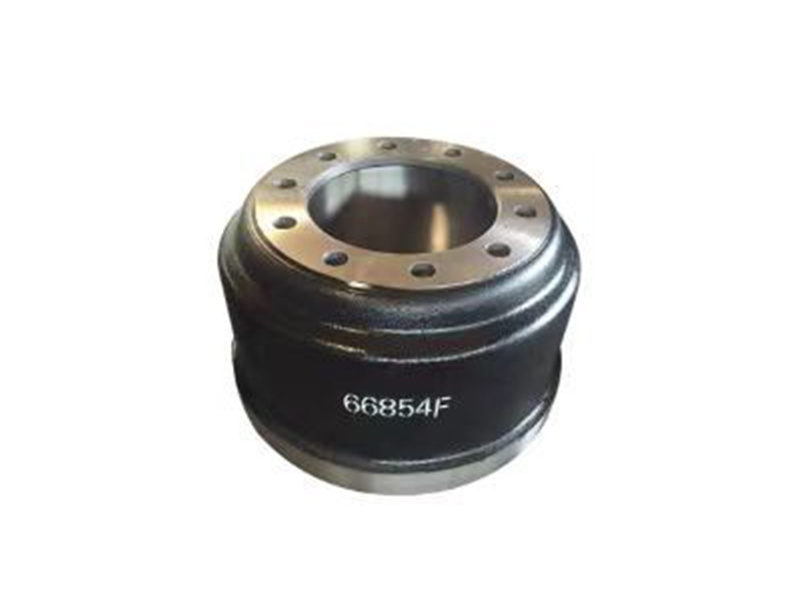
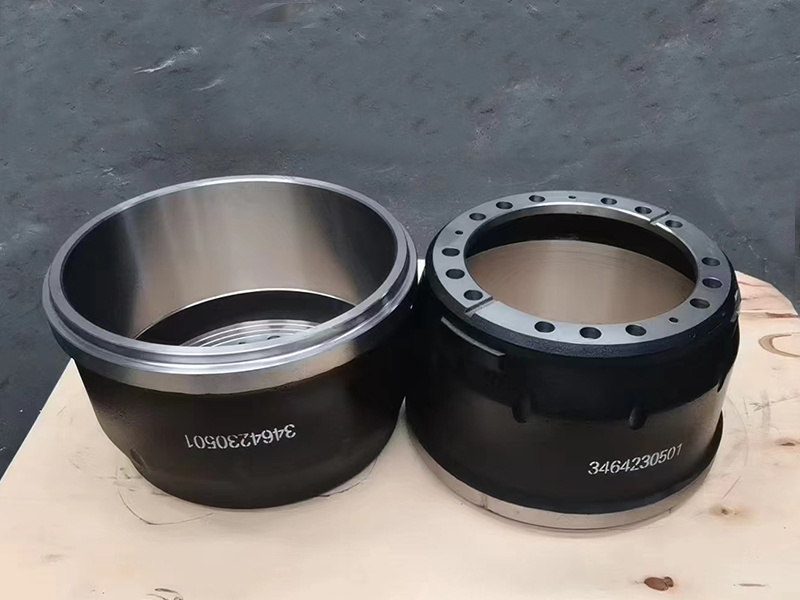
The brake drum is a fragile gray cast iron material, similar to the iron casting of the tambourine, fixed to the tire and rotating at the same speed. When braking is required, the oil pressure pushes the brake shoe to contact the inner edge of the brake drum, and the friction generated by the contact rotates the tire to achieve the purpose of braking. The brake drum is not properly designed or easily deformed when heated, and the unbalanced force will also produce mechanical deformation, causing poor contact between the shoe and the drum, resulting in pedal force and stroke. Therefore, the brake drum should have sufficient wall thickness, and the outer surface near the opening of the cast circumferential or axial reinforcement to improve strength.

2024/05/09

How much brake drum wear needs to be replaced


When the brake drum is worn to the limit value, it needs to be replaced. The specific limit value is φ180mm for the brake drum with a diameter of 180mm. However, the replacement cycle of the brake drum will be affected by many factors, including the operation of the vehicle, the type of vehicle, the weight of the vehicle, the type of brake pads, etc. Therefore, the replacement cycle of the brake drum may vary from vehicle to vehicle and needs to be determined according to the actual situation. In addition, the replacement of brake drums is usually based on the replacement of brake pads.

2024/05/09

Wheel hub installation precautions


Regular inspection: No matter how old the car is, the wheel hub bearings should be inspected regularly to ensure safety and reliability. Pay attention to whether the bearing has early warning signs of wear, such as friction noise during rotation or abnormal deceleration of the suspension combination wheel when turning. For rear-wheel drive vehicles, it is recommended to lubricate the front wheel hub bearings when the vehicle has traveled to 38000 kilometers.

2024/05/09

What material is the wheel hub made


The wheel hub is usually made of three materials: steel, aluminum alloy and magnesium alloy. Steel wheels have low cost, but poor heat dissipation and rust resistance; aluminum alloy wheels are light and can reduce fuel consumption, but the price is higher; magnesium alloy wheels are lighter, but the price is higher. [2]. Aluminum alloy wheel hub is one of the common hub materials, and magnesium alloy wheel hub is a new material. Steel wheels are cheaper but have a shorter service life, while magnesium alloy wheels are more expensive but have a longer service life. In addition, there are three manufacturing methods for wheels: gravity casting, forging and low pressure casting.

2024/05/09

What is the hub


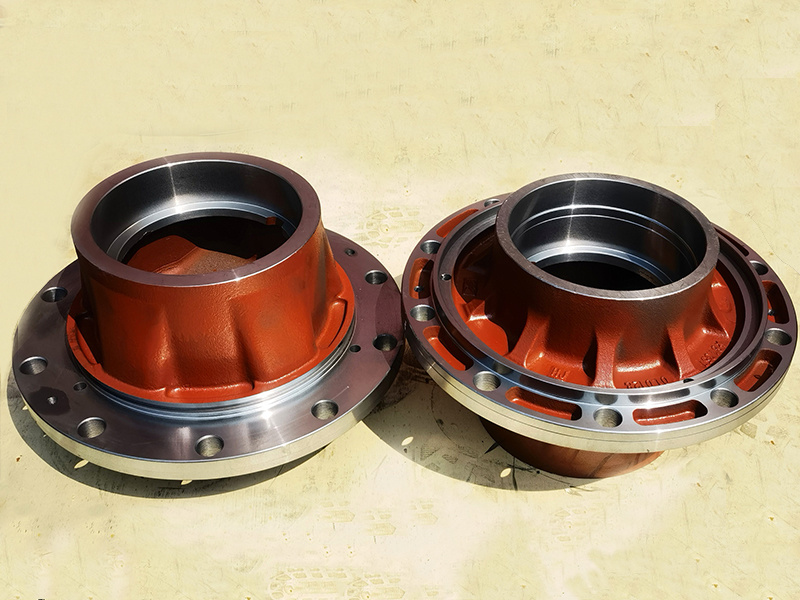
The wheel hub is an important part of auto parts. It connects the tire and the axle and plays a supporting and guiding role. The material and design of the wheel hub directly affect the driving performance and safety of the car. In order to reduce the mass of the wheel, a new type of lightweight alloy wheel with built-in air alloy wheel came into being, and the mass of the wheel was further reduced by cavity technology.

2024/03/27

Features of the brake drum


The brake drum is an important part of the automobile brake system. It is mainly made of light alloy materials (such as aluminum alloy), and cast iron liners can also be used. The advantages of the brake drum include small mass and good heat dissipation, and it is suitable for cars. However, improper design of the brake drum will cause problems such as thermal deformation and mechanical deformation, which will affect the braking effect. Therefore, the brake drum should have sufficient wall thickness and cast circumferential or axial reinforcing ribs on the outer surface to improve strength. In addition, the out-of-roundness of the working surface of the brake drum will also cause self-locking and produce vibration and noise.

2024/03/27

What if the brake drum temperature is too high


The solutions for excessive brake drum temperature include: 1. Open the water drench to reduce the temperature of the wheel hub; 2. Stop and rest and wait for the brake drum to cool down naturally; 3. Repair the brake cylinder, poor oil return will cause brake drag; 4. Replace the brake drum spring, the spring damage will affect the braking effect; 5. Adjust the brake pad gap to ensure that the gap between the left and right brake drums and the brake pads is consistent; 6. Add gear oil, insufficient lubrication will also cause the brake drum temperature to be too high; 7. Repair the tire and ensure that the tire pressure is normal. In addition, the organizational defects of the brake drum, such as coarse grains and inclusion particles, will also reduce its strength and toughness, which will easily cause stress concentration and affect the braking effect. If the brake drum temperature is too high, it may also be due to improper selection of fuel supply and fuel injection advance angle, excessive clearance between piston ring and cylinder wall, or leakage of valve cylinder gasket, poor contact between intake and exhaust valves and valve seats or Improper adjustment of valve clearance, excessive scale in radiator and engine water jacket, etc. To solve these problems, the temperature of the brake drum can be effectively reduced.


2024/03/27

The working principle of the brake drum


The working principle of the brake drum is to make the friction lining rub against the inner side of the brake drum through a hydraulic device to achieve the braking effect. The brake drum is mainly composed of brake wheel cylinder, brake shoe, brake drum, friction lining, return spring and other parts. When the brake pedal is stepped on, the piston of the brake master cylinder is pushed to move, and then pressure is generated in the oil circuit. The brake fluid transmits the pressure to the brake drum, so that the friction lining contacts the brake drum, generating friction, and slowing the vehicle Or stop. The brake drum is mostly used to brake the rear wheel and parking brake with relatively small load.